Wardrobe, Styling & the Sensual Frame
In tasteful figure and glamour work, wardrobe does the most delicate job in the frame: it suggests. Fabric is the genre's punctuation — a comma of silk, an ellipsis of lace.
Styling is where a sensual photograph is won or lost. The right wardrobe elevates a picture into editorial elegance; the wrong choice collapses it into cliché. Because this journal treats the sensual as a matter of implication, wardrobe is not about how little a subject wears but about how intentionally they are dressed. This essay covers the styling principles behind an elegant, magazine-quality frame.
Fabric and the art of implication
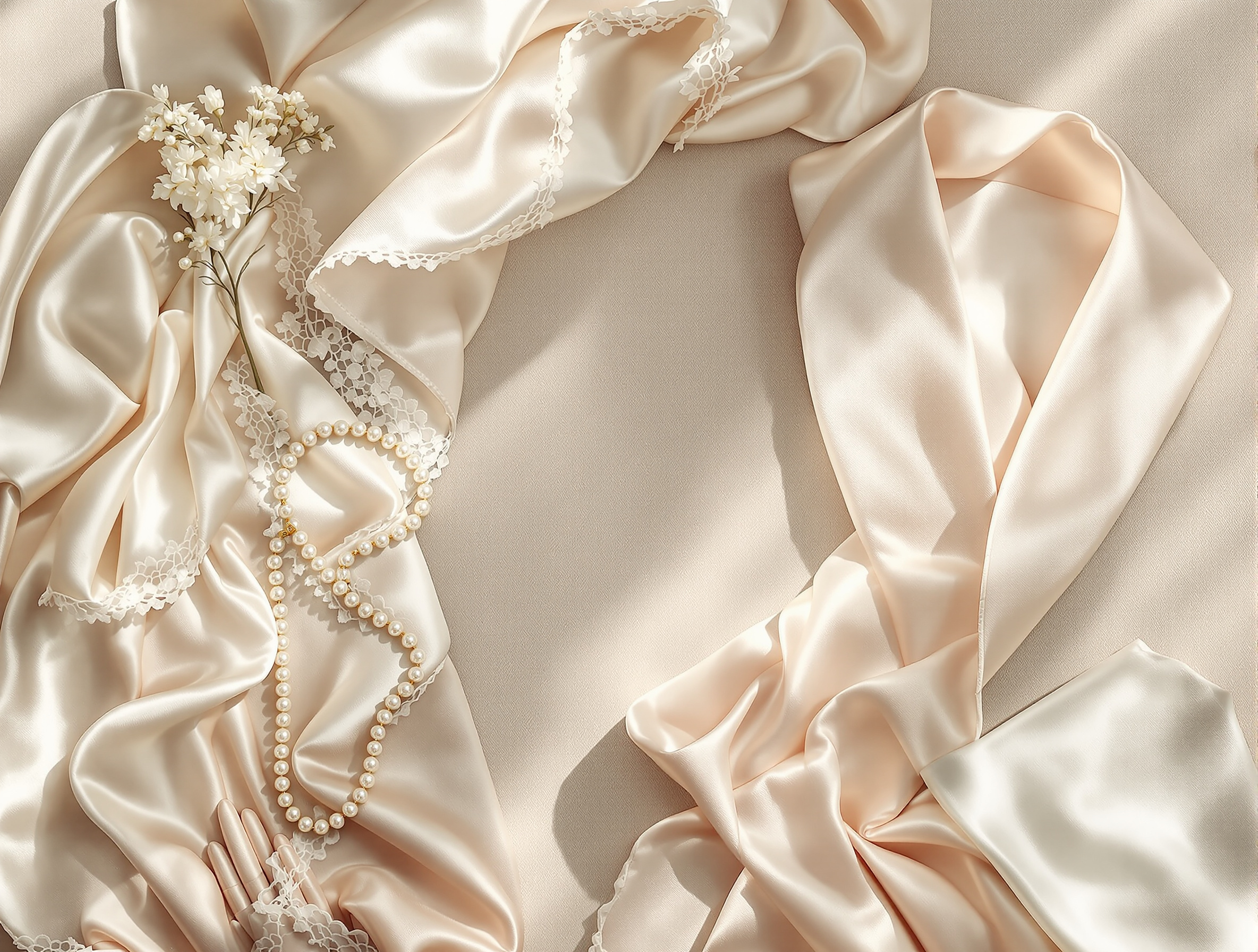
Materials carry meaning. Silk and satin catch light along the body's contours and read as luxurious and fluid. Lace plays with concealment and pattern, casting delicate shadow. A heavy knit or an oversized white shirt reads as intimate and unstudied — the morning-after ease that classic boudoir prizes. Sheer layers, robes, and draped textiles let the photographer conceal and reveal in the same gesture, which is the whole grammar of tasteful sensual imagery. The point is never exposure; it is the elegant suggestion explored in the art of boudoir.
Silhouette and fit
Fit governs line. Well-fitted wardrobe follows the body's natural lines and curves; ill-fitting garments break them. Stylists watch for clean shoulder seams, unbroken waistlines, and hems that fall where they flatter. Sometimes the most elegant choice is a single beautifully cut piece; sometimes it is layering that adds depth and movement. Movement itself — a skirt caught mid-turn, a scarf lifted by a fan — introduces life and can be the difference between a static frame and a breathing one.
Color, palette, and the set
Wardrobe must agree with its surroundings. A warm ivory-and-brass palette, soft neutrals, deep jewel tones — each sets a mood and each should harmonize with the backdrop, the bedding, or the landscape. Clashing color fights the eye; a considered palette lets it rest on form. Many photographers build a shoot around two or three colors and hold to them ruthlessly, styling props, walls, and wardrobe into a single chord.
The details that finish a picture
Accessories punctuate. Vintage jewelry, elegant gloves, a strand of pearls, a well-chosen chair or chaise — these add period, character, and story. Hair and makeup complete the frame; a beauty look should match the light, with soft, luminous skin for glamour work and cleaner definition for high-contrast studies. Preparation matters: a steamed garment, lint-rolled fabric, and pinned fit save hours in retouching. Great styling is invisible — the viewer sees only elegance, never effort. From here, the practical machinery behind a professional shoot is covered in the working studio.