The Art of Boudoir: Intimacy, Elegance, Restraint
At its best, boudoir is not about revealing a body but about revealing a person's ease within it. The genre's whole art lies in what it chooses to leave unsaid.
Few photographic genres are as widely misunderstood as boudoir. Handled carelessly it becomes cliché; handled with craft it becomes one of the most tender, empowering forms of portraiture — a private, celebratory picture a person makes for themselves. This journal treats boudoir strictly as a tasteful editorial art: sensual in mood, elegant in execution, and always implied rather than explicit.
The aesthetic of suggestion
The core principle is restraint. A shoulder emerging from a linen sheet, the shadowed curve of a spine, morning light through a sheer curtain, a silk robe half-tied — these say more than exposure ever could. Great boudoir borrows the vocabulary of classic Hollywood glamour and fine-art figure study: soft directional light, deep shadow, and careful concealment that invites the eye to complete the picture. The mood is intimate; the content is nothing that could not hang in a hotel corridor.
Comfort is the whole assignment
No genre depends more on the subject's trust. The professional boudoir photographer builds an environment of absolute safety: a clear plan agreed in advance, the option of a companion or chaperone on set, warm rooms, robes within reach, and a running conversation about what the subject does and does not want photographed. Posing is demonstrated gently and never forced. These are not merely courtesies — they are the working conditions that produce a relaxed, luminous picture. The wider ethics of consent apply here with special force.
Wardrobe and setting
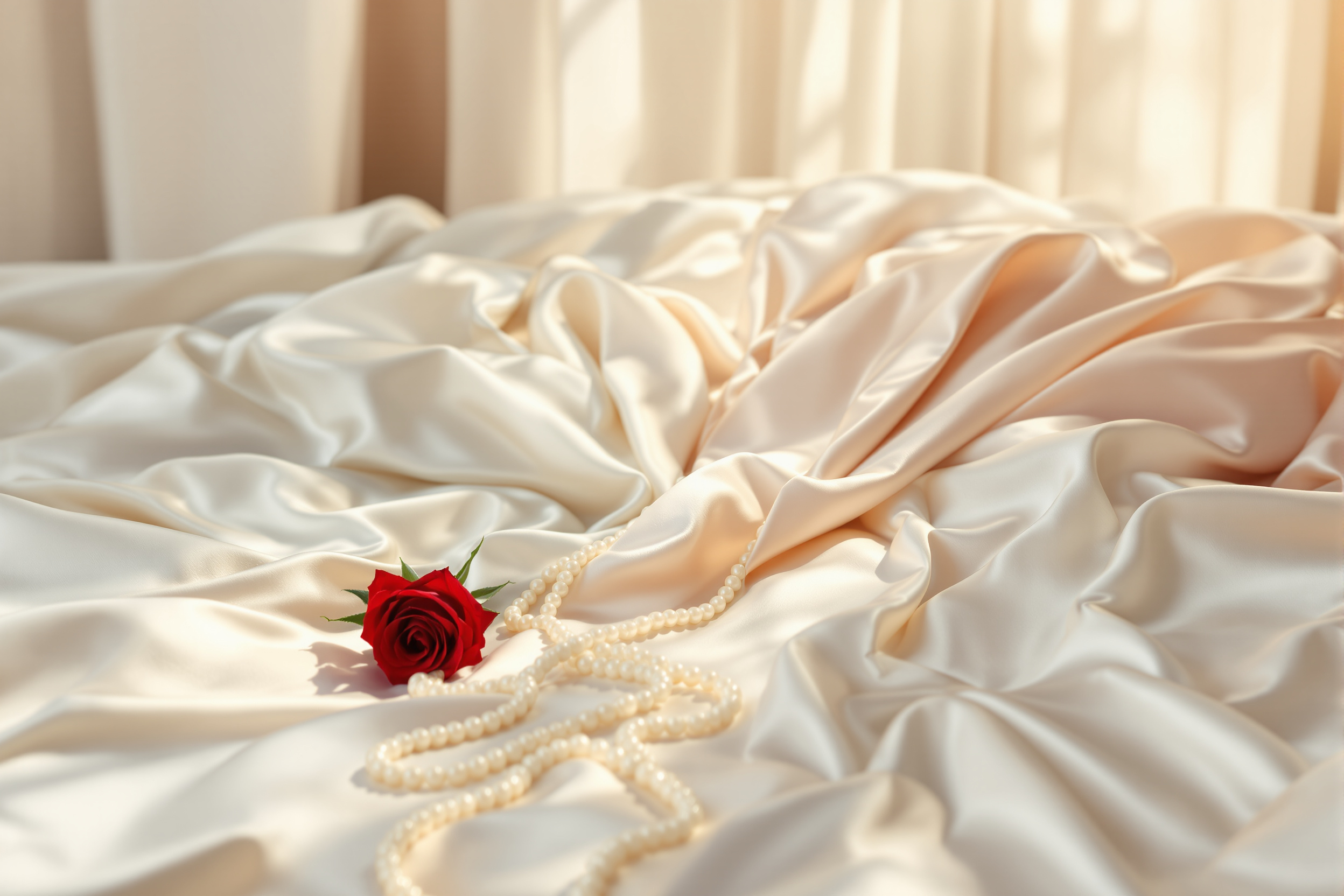
Wardrobe in tasteful boudoir leans on fabric and implication: silk, satin, lace, an oversized knit, a partner's white shirt, elegant loungewear. The setting is usually a beautifully lit interior — soft bedding, warm window light, uncluttered surfaces — styled like a magazine editorial rather than a private snapshot. Detailed guidance on this lives in wardrobe, styling and the sensual frame.
Empowerment, not exposure
Ask experienced boudoir photographers why clients book them and the answer is rarely about the pictures alone; it is about how people feel walking out of the session — seen, celebrated, and at home in their own skin. That is the genre's real product. The images are elegant keepsakes; the experience is the art. Approached this way, boudoir sits comfortably in the same fine-art lineage as the figure studies held by major museums — a lineage this journal traces in its short history of the figure in photography.