On Assignment: The Editorial & Beauty Tradition
Much of what we now call fine-art figure and glamour photography was invented on assignment — in the pages of magazines, under a deadline, by a team working toward a single elegant frame.
The gallery and the magazine have always fed each other. Some of the most influential figure and beauty imagery of the last century was made not for museum walls but for editorial commissions, and the discipline of the assignment — a brief, a team, a deadline — shaped the craft profoundly. This essay looks at the editorial tradition and what it still teaches.
The magazine as patron
For a century, magazines were the great patrons of people photography. They commissioned photographers to interpret a theme, a collection, or a subject, and in doing so funded a vast body of experimental, elegant work. The fashion and beauty editorial — with its lighting, its styling, and its narrative — became a laboratory for the figure, and photographers moved fluidly between commercial assignment and personal art. The location photographer John Running worked in exactly this world, making pictures of people on assignment for advertising, corporate, and editorial clients across decades.
The creative team
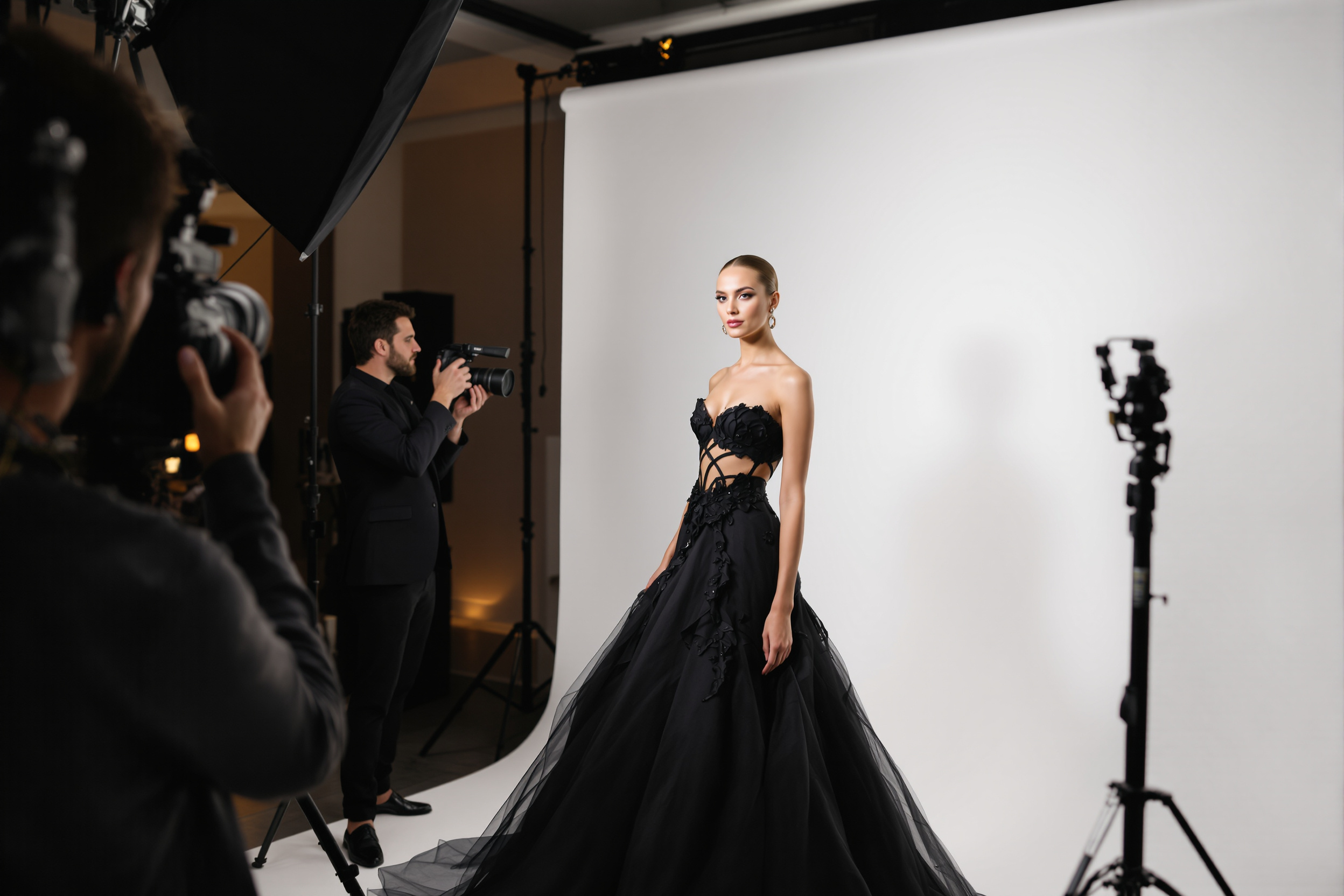
An editorial shoot is rarely a solo act. It gathers a team: the photographer, an art director shaping the concept, a stylist responsible for wardrobe and styling, a hair and makeup artist, and often an assistant managing light and logistics. Learning to lead this team — to communicate a vision and let specialists elevate it — is a core professional skill. The best editorial photographers are, in effect, directors, orchestrating many hands toward one frame.
The discipline of the brief
Assignment work imposes a productive discipline that pure self-direction can lack. A brief sets constraints — a mood, a palette, a message, a deadline — and constraints breed creativity. The photographer must pre-visualize the final image, plan the lighting and locations to achieve it, and deliver reliably. This planning muscle, built on commercial assignments, is exactly what allows a photographer to execute an ambitious personal figure study with confidence.
From commerce to canon
Time has a way of promoting yesterday's advertisement into today's art. Editorial and beauty photographs once considered ephemeral now hang in major collections and fill monographs. The line between the commissioned and the fine-art image has always been porous, and the craft lessons flow both ways. For the working side of that craft — pricing, rights, and running a practice — see the working studio; for its deeper roots, the journal's history of the figure sets the scene.