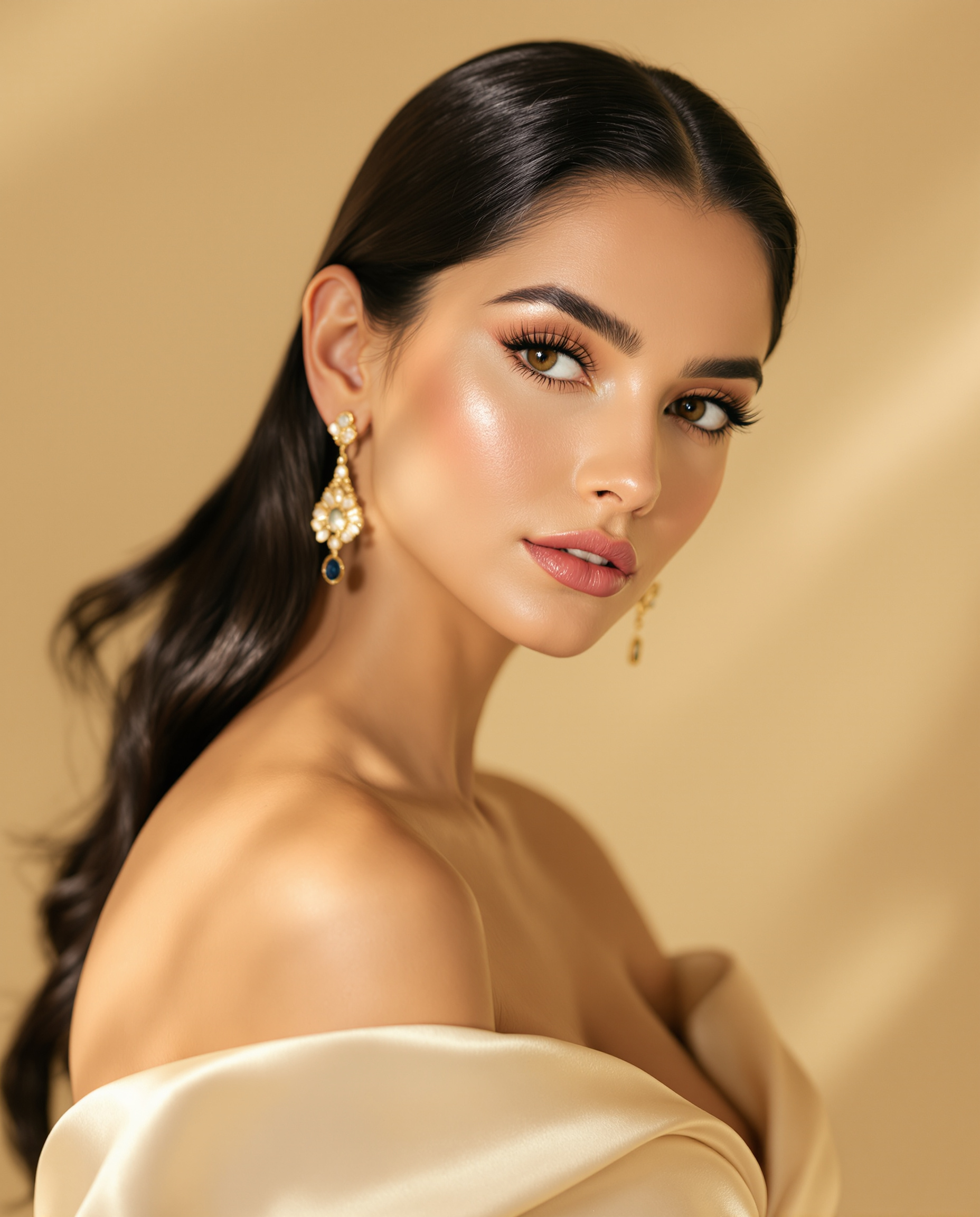
The Fine-Art Portrait: Reading a Face
A great portrait is not a good likeness. It is a moment of recognition — the instant a viewer feels they have met someone.
Portraiture is the oldest and most durable branch of people photography, and it sits at the heart of every figure and glamour practice. Before a photographer can render a body beautifully, they must be able to make a person comfortable enough to be seen. This essay is about that quieter craft: the human work that happens before and around the exposure.
Trust is the first exposure
Nothing in a portrait matters more than the subject's ease. A tense jaw, guarded eyes, and shoulders drawn up to the ears will defeat the finest lens. The experienced portraitist spends the opening minutes not photographing at all — talking, explaining the plan, showing a first frame or two on the back of the camera so the subject can see themselves treated with care. This is doubly true in intimate genres; the ethics of consent and communication are not a formality but the very thing that produces a relaxed, honest picture.
Environmental versus studio
An environmental portrait places the subject in a meaningful setting — a studio, a workshop, a landscape — letting context speak. A studio portrait strips context away, isolating the person against a controlled backdrop so that expression and form carry everything. Fine-art figure work borrows from both: the clean formality of the studio for sculptural clarity, the warmth of natural settings for mood. The photographer John Running built a long career photographing people on location, and the location portrait remains one of the most humane forms of the art.
Directing expression
Expression cannot be commanded, only invited. Skilled portraitists give their subjects something to do or feel rather than an instruction to "look natural" — a small memory to recall, a breath to release, a direction to look just off-lens. The goal is micro-expression: the almost-smile, the settled gaze, the moment between poses when a person forgets the camera. Watch the eyes; a portrait lives or dies in them.
Light and composition serve character
Technique is in service of the person. Soft butterfly light flatters and glamorizes; harder side light reveals age, texture, and gravity. A tight crop insists on intimacy; a little breathing room grants dignity. None of these choices is neutral, and the fine-art portraitist makes them deliberately, asking always: what am I trying to say about this person?
The world's great portrait collections repay long study. The National Gallery of Art and the photographs division of the Library of Congress are freely accessible and deeply instructive. From here, consider how the same principles scale to the whole body in posing and the language of the body.